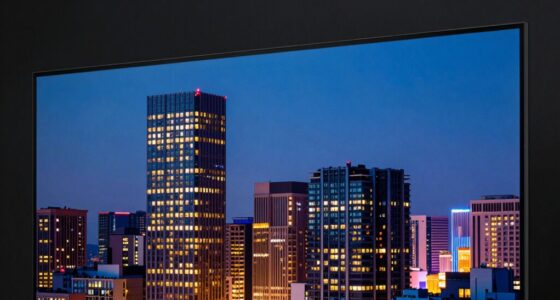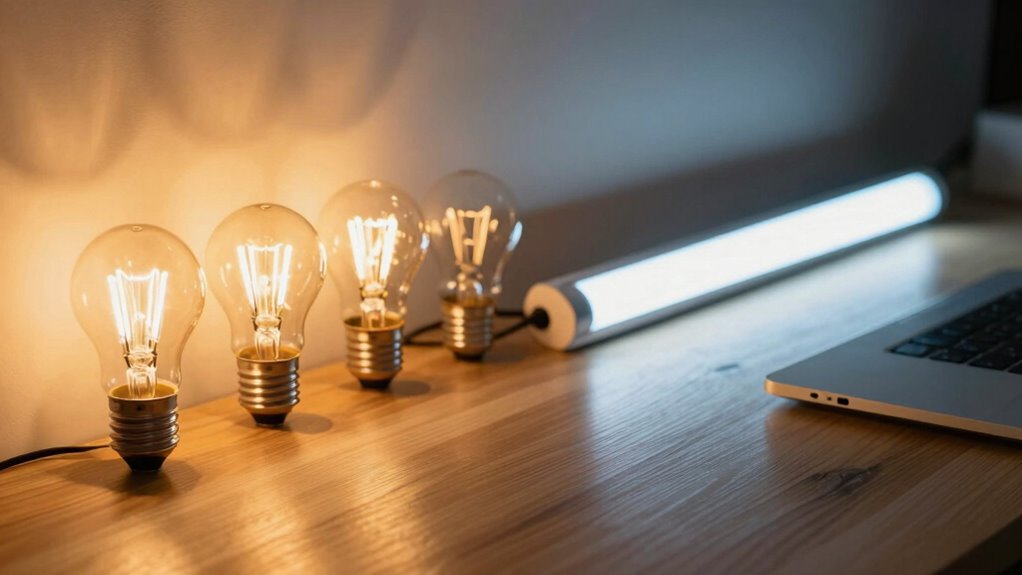

To think about color temperature practically, consider how the lighting affects the mood and clarity of your space or photos. Warm light (around 2700K-3000K) creates cozy, inviting feelings, while cool light (5000K-6500K) feels more energizing and bright. Match the temperature to your activity or desired effect, and adjust white balance for true colors. Mastering these choices helps you craft the perfect atmosphere—exploring further will help you make smarter lighting decisions.

Get business pricing on garage and car supplies
- Business-only prices and quantity discounts
- Tax-exempt purchasing
- Multiple users, one account, clear invoices
Key Takeaways
- Consider the mood you want to create: warm for cozy, cool for energetic or clinical atmospheres.
- Match the bulb’s Kelvin rating to your activity or scene, e.g., 2700K for relaxation, 5000K+ for clarity.
- Use white balance settings or filters to ensure accurate color reproduction under different lighting.
- Adjust lighting based on the environment and purpose to enhance visual harmony and emotional impact.
- Experiment with different temperatures to see their effects on colors and mood before making final choices.

Have you ever wondered how the warmth or coolness of light affects your photos or space? The answer lies in understanding color temperature, which influences lighting effects and mood creation. When you choose different light sources or adjust your environment, you’re not just selecting brightness—you’re shaping the emotional tone and visual impact of the scene. Warm lighting, with a yellow or orange hue, creates a cozy, inviting atmosphere. It’s perfect for relaxing spaces like living rooms or cafes, where you want to foster comfort and intimacy. Cool lighting, on the other hand, with bluish tones, feels more sterile and energizing. It’s ideal for workspaces or areas demanding alertness, such as kitchens or offices. Recognizing these effects helps you make smarter choices about lighting to achieve your desired ambiance. Understanding color temperature measurement allows for more precise control over lighting effects.
Understanding color temperature helps you create the perfect mood and visual impact in any space or photo.
In practical terms, thinking about color temperature involves paying attention to the Kelvin scale, which measures the warmth or coolness of light. Lower Kelvin numbers, around 2700K to 3000K, produce warm, yellowish light. Higher Kelvin values, from 5000K to 6500K, give off a cooler, bluish light that mimics daylight at noon. When you’re setting up a space or taking photos, consider the mood you want to evoke. If you aim for a relaxed, intimate environment, go for warmer lights. For a bright, energetic vibe, cooler lighting works better. This understanding can also help you optimize lighting conditions for different activities or photography styles. Additionally, understanding how light spectrum influences perception can help you select the best lighting for specific settings.
A deeper understanding of lighting quality in terms of color temperature can help you create more harmonious and effective environments, whether for work, relaxation, or artistic expression. This understanding helps you control lighting effects intentionally, rather than leaving it to chance. To further enhance your control, selecting bulbs with specific color rendering index ratings can improve how accurately colors appear under different lighting. Adjusting color temperature can also enhance the colors in your photos. Warm light can make reds and oranges pop, adding a sense of warmth and richness. Cool light emphasizes blues and greens, giving your images a crisp, fresh feeling. When shooting indoors, using bulbs that match the scene’s mood ensures better color accuracy and visual harmony. If your camera allows, tweak the white balance setting to match the light temperature, so your images reflect what your eyes see. This proactive approach makes your photos more compelling and true to life.
Ultimately, thinking about color temperature isn’t just about technical details; it’s about harnessing light’s power to influence perception. Whether you’re designing a space or capturing a moment, understanding lighting effects and mood creation puts you in control. By choosing the right warmth or coolness of light, you shape how others experience your environment or images. It’s a simple yet impactful way to elevate your creative and practical decisions, ensuring your lighting always aligns with your intentions.
adjustable color temperature LED bulbs
As an affiliate, we earn on qualifying purchases.
As an affiliate, we earn on qualifying purchases.
Frequently Asked Questions
How Does Color Temperature Affect Mood and Perception?
Color temperature influences your mood and perception through color psychology and visual perception. Warm tones like reds and yellows evoke energy and comfort, while cool tones such as blues and greens promote calmness and focus. When you choose lighting or colors with specific temperatures, you shape how people feel and interpret a space. Understanding this helps you create environments that align with desired emotional responses and enhance overall perception.
What Are Common Mistakes When Choosing Lighting Based on Color Temperature?
You might make mistakes by choosing lighting with inconsistent color temperatures, which can disrupt color consistency and harm visual harmony. Avoid mixing warm and cool tones in the same space, as it confuses the eye and creates a disjointed look. Also, neglecting the purpose of the space might lead to inappropriate lighting choices, affecting mood and perception. Always aim for a cohesive color temperature to enhance overall harmony and guarantee accurate color rendering.
How Can I Adjust Color Temperature for Different Photography Settings?
To adjust color temperature for different photography settings, you should set your camera’s white balance accordingly. Use preset modes like daylight or tungsten, or manually dial in the temperature for precise control. For post-shoot color correction, adjust white balance settings in editing software to match the scene’s lighting. This guarantees accurate color representation, making your photos look natural and well-balanced regardless of varying lighting conditions.
What Tools or Apps Help Measure and Compare Color Temperature?
You can explore spectral analysis tools and calibration devices to measure and compare color temperature accurately. Apps like PocketLab, SpectraCam, or dedicated hardware like the Sekonic C-800 or X-Rite i1Display Pro offer precise readings. These tools act like a gentle whisper of light, revealing subtle differences in color temperature, helping you fine-tune your camera settings or lighting for perfect color harmony in your photos.
How Does Ambient Light Influence the Perception of Color Temperature?
Ambient lighting markedly influences how you perceive color temperature, causing perception shifts. When your surroundings have warm or cool tones, they can make colors seem different than they truly are. For example, warm ambient lighting may make objects appear more yellow or orange, while cool lighting can give a bluish tint. Being aware of this helps you adjust your lighting or interpret colors accurately, especially in photography, design, or daily viewing.
As an affiliate, we earn on qualifying purchases.
Conclusion
So, when you’re selecting and shaping your space, stay savvy about color temperature. Think through the tones you want to evoke—warm for welcoming, cool for calming. Play with the palette, and let your preferences guide your choices. Remember, the right warmth or coolness can make all the difference in setting the scene. With a little awareness and a touch of experimentation, you’ll master the magic of mood-making through color temperature.
smart white balance LED lighting
As an affiliate, we earn on qualifying purchases.
As an affiliate, we earn on qualifying purchases.
dimmable color temperature light bulbs
As an affiliate, we earn on qualifying purchases.
As an affiliate, we earn on qualifying purchases.
Fall Picks
fall essentials
As an affiliate, we earn on qualifying purchases.