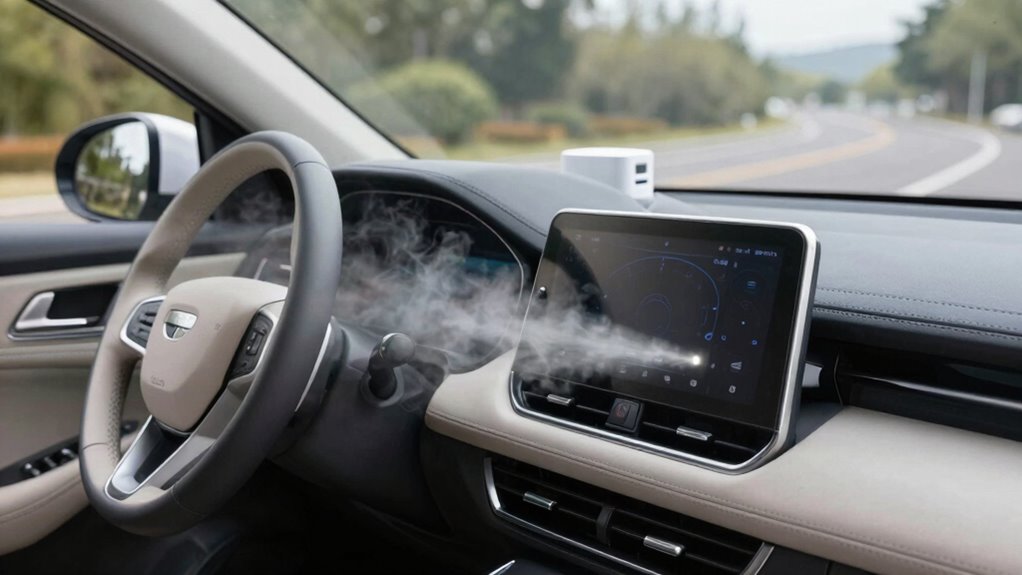

As a driver, you should pay more attention to your cabin’s air quality because rising pollution and airborne contaminants directly impact your health and safety. External pollution like dust, pollen, and vehicle fumes can enter your car, causing allergies or respiratory issues. Advances in air purification technology now help keep the air you breathe cleaner, especially in urban areas. If you want to learn how to protect yourself better, keep going to discover more helpful insights.

Get business pricing on garage and car supplies
- Business-only prices and quantity discounts
- Tax-exempt purchasing
- Multiple users, one account, clear invoices
Key Takeaways
- Increasing urban pollution and traffic congestion elevate the need for cleaner in-car air.
- Awareness of health risks from airborne allergens and pollutants drives demand for better filtration.
- Modern vehicles incorporate advanced filtration systems to improve indoor air quality for safety and comfort.
- External pollution levels directly impact cabin air, making active purification crucial in high-traffic areas.
- Technological innovations enable drivers to actively monitor and control in-car air quality for healthier driving experiences.
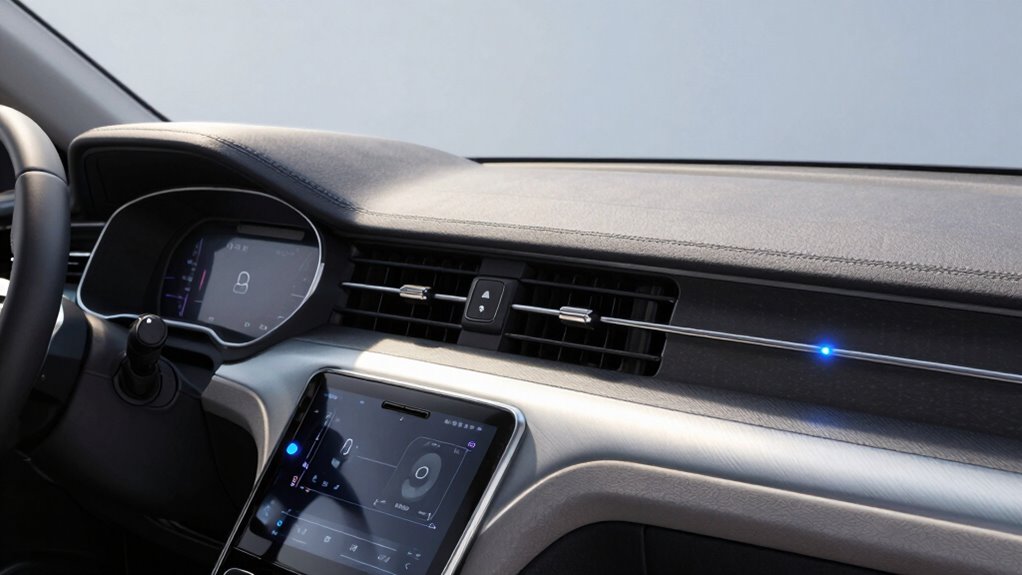
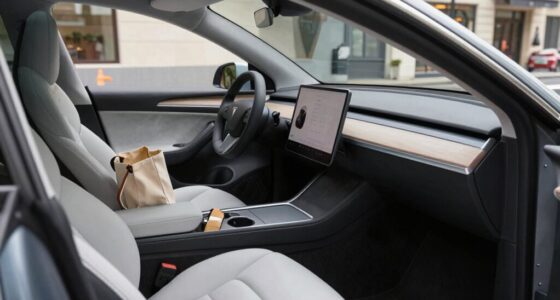
Your comfort and safety while driving depend heavily on the air quality inside your vehicle. With the increasing awareness of pollution exposure, drivers are paying more attention to what’s circulating in their car cabins. Modern vehicles are no longer just about horsepower and handling; they’re also about ensuring the air you breathe is clean and healthy. Advances in air purifier technology have made it easier to combat pollutants that can build up inside your car, from dust and pollen to exhaust fumes and other airborne contaminants. As urban areas grow more congested, the need to filter out these pollutants becomes even more critical.
Prioritize clean, healthy air in your vehicle with advanced air purifier technology for safer, more comfortable drives.
Pollution exposure isn’t just an outdoor problem anymore; it sneaks inside your vehicle through open windows, ventilation systems, and even your clothing. Over time, these airborne particles can cause allergies, respiratory issues, or worsen existing health conditions. That’s why some drivers are investing in in-car air purifiers that utilize advanced filters and air purifier technology. These devices actively remove harmful particles from the air, creating a cleaner environment for you and your passengers. It’s not just about comfort—it’s about protecting your health during every drive, especially if you spend hours commuting or have pre-existing health concerns.
You might notice that many newer vehicles now come equipped with cabin air filtration systems designed to reduce pollution exposure. These systems work by trapping dust, pollen, and other particles before they enter the cabin. However, standalone air purifiers can provide an extra layer of defense, especially in areas with high pollution levels. They can be particularly useful if you’re sensitive to airborne allergens or live in a city with frequent smog alerts. By actively filtering the air, these devices help you breathe easier and reduce the risk of health issues caused by poor air quality. Additionally, regular maintenance of existing filters can significantly improve their effectiveness in capturing pollutants. Staying informed about air pollution levels can help you decide when to use additional filtration devices for optimal protection.
As awareness about air quality continues to grow, so does the importance of maintaining a healthy cabin environment. It’s no longer enough to keep windows closed to block out pollution; you need effective solutions that actually remove contaminants from the air inside your vehicle. Advances in air purifier technology have made it possible for drivers to take more control over their air quality, ensuring cleaner air during every trip. With innovations in air purifier technology, you can take control of your cabin’s air quality, ensuring that every drive is as safe and comfortable as possible. Protecting yourself from pollution exposure isn’t just a trend—it’s a necessary step toward healthier driving habits in today’s increasingly polluted world.
As an affiliate, we earn on qualifying purchases.
Frequently Asked Questions
How Often Should I Replace My Cabin Air Filter?
You should replace your cabin air filter every 15,000 to 30,000 miles, depending on your vehicle and driving conditions. An air filter lifespan varies based on factors like pollution and dust, so check it regularly. Replacing it on time keeps cabin air fresh and clean, preventing musty odors and allergens. Keeping your filter fresh guarantees ideal cabin air quality, making your drives more comfortable and healthier for you and your passengers.
Can Poor Air Quality Affect My Health While Driving?
Imagine inhaling a mix of airborne pollutants each time you drive; poor air quality can definitely impact your health. It may cause allergic reactions, respiratory issues, or fatigue. Over time, these pollutants build up, making your body work harder to fight them off. Don’t underestimate the power of clean cabin air—regularly replacing filters and ventilating your car helps protect you from these hidden hazards.
Are There Natural Ways to Improve Cabin Air Quality?
Yes, you can naturally improve cabin air quality by adding air purifying plants like snake plants or pothos, which help filter toxins. Additionally, use natural ventilation by opening windows when safe, allowing fresh air to circulate and reduce indoor pollutants. These simple steps boost air quality, making your driving environment healthier and more comfortable without relying solely on mechanical systems.
Do Air Purifiers Really Make a Difference in Cars?
Think of an air purifier as your car’s breath of fresh air—yes, it really makes a difference! Regular air purifier maintenance ensures it works efficiently, while knowing your cabin air filter types helps you choose the right one. These devices effectively reduce pollutants and allergens, improving air quality. When properly maintained, air purifiers can greatly improve your driving experience, making every trip healthier and more comfortable.
How Can I Tell if My Cabin Air Quality Is Poor?
You can tell your cabin air quality is poor if you notice a musty smell, increased dust, or allergy symptoms when driving. Check your vehicle’s air circulation system; if fresh air feels stale or smells bad, it’s a sign to clean or replace filters. Using air freshener options can mask odors temporarily, but improving ventilation and changing filters will make a real difference in air quality.
As an affiliate, we earn on qualifying purchases.
Conclusion
So, even if you think cabin air quality isn’t a big deal, it’s worth paying attention to. Better air means you stay alert and comfortable, helping you stay safe on the road. Sure, some might say it’s just a small detail, but don’t dismiss it—improving your air can make your drives more enjoyable and less stressful. After all, a fresh, clean cabin isn’t just a luxury; it’s a smart move for every driver.
As an affiliate, we earn on qualifying purchases.
As an affiliate, we earn on qualifying purchases.
Fall Picks
fall essentials
As an affiliate, we earn on qualifying purchases.