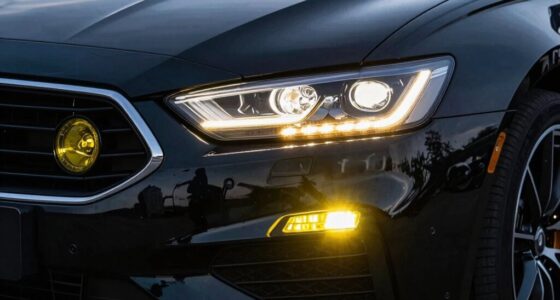

Brightness alone doesn’t guarantee better visibility; the beam pattern is equally important. Properly aligned headlights evenly distribute light, reduce dark spots, and improve your ability to spot obstacles and signs early. Glare and misaligned beams can cause discomfort and safety issues for both you and other drivers. Factors like load and road conditions influence headlight performance, so regular calibration is essential. If you want to understand how to optimize your headlights for safer driving, there’s more to uncover.
Key Takeaways
- Brightness alone doesn’t guarantee better visibility; proper beam pattern ensures even and effective light distribution.
- Correct headlight calibration enhances both brightness and beam pattern, reducing glare and improving road illumination.
- Adaptive lighting systems optimize beam pattern based on speed and surroundings for safer driving conditions.
- Misaligned headlights or excessive brightness can cause glare, decreasing visibility and risking safety for all road users.
- Regular headlight maintenance and adjustment are essential to maintain optimal brightness, beam pattern, and overall visibility.

When it comes to driving safely at night or in low-light conditions, understanding how brightness and beam patterns affect visibility is essential. Many drivers assume that brighter headlights automatically mean better illumination, but the reality is more nuanced. Proper headlight calibration plays a crucial role in ensuring your headlights are aligned correctly. Misaligned headlights can reduce your ability to see the road clearly and increase glare for other drivers, creating dangerous driving conditions. Regular headlight calibration helps maintain optimal brightness and beam direction, making sure your lights illuminate the road without blinding others. Properly calibrated headlights also help you spot obstacles, pedestrians, and road signs sooner, giving you more time to react. Additionally, a well-maintained headlight system ensures consistent brightness levels, which is vital for safe driving. Achieving the right beam pattern is essential for adapting to different driving environments and improving overall visibility.
Beam pattern is equally important. Your headlights shouldn’t just shine brightly; they need to distribute light effectively. A well-designed beam pattern ensures that the road ahead is illuminated evenly, especially on curves or uneven terrain. Poor beam patterns can create dark spots or excessive glare, which hampers visibility and can cause fatigue or discomfort during long drives. Modern headlights often feature adaptive lighting systems that adjust the beam pattern based on your speed and surroundings, improving visibility without dazzling other drivers. Understanding and maintaining the correct beam pattern allows you to see more clearly and reduces the risk of accidents caused by poor lighting. Additionally, the contrast ratio of your headlights can influence how well different objects stand out in various lighting conditions, further enhancing safety. Proper glare management is another critical factor. When headlights are misaligned or too bright, they can create glare that blinds oncoming drivers. This not only endangers them but also hampers your own visibility. Managing glare involves properly adjusting your headlights and choosing lights with appropriate brightness levels. High-intensity discharge (HID) and LED headlights often produce more light but can be harsher on the eyes if not correctly calibrated. By focusing on glare management, you can ensure your headlights provide sufficient illumination without causing discomfort or danger to others. This often involves adjusting the headlight angle and intensity, especially when carrying heavy loads or driving on uneven roads, which can affect headlight aim.
As an affiliate, we earn on qualifying purchases.
Frequently Asked Questions
How Do I Choose the Right Headlight for My Vehicle?
To choose the right headlight for your vehicle, start by checking your vehicle compatibility, ensuring the headlight fits your make and model. Consider headlight technology—LEDs, halogens, or HID bulbs—as each offers different brightness levels and longevity. Think about your driving needs, like more focused beam pattern for better visibility on dark roads. By matching the headlight type to your vehicle and driving style, you’ll improve safety and performance seamlessly.
What Maintenance Is Needed for Optimal Headlight Performance?
Imagine your headlight lens as a vintage lantern that needs regular care. To keep it shining bright, you should clean the lens with a soft cloth and check for cloudiness or fogging. Replace any damaged bulbs and make certain your electrical system is functioning properly. Regularly inspect for corrosion and tight connections, as these can dim your headlights. Proper maintenance guarantees peak performance and clear visibility on every drive.
Do Brighter Headlights Drain More Vehicle Battery?
Brighter headlights do cause more battery drain because they consume more headlight energy. When you upgrade to higher-intensity bulbs, your vehicle’s electrical system works harder, which can strain the battery, especially if it’s old or weak. To prevent issues, make certain your battery is in good condition and consider upgrading your alternator if you frequently use high-powered headlights. This way, you keep visibility bright without risking your vehicle’s electrical health.
How Do Weather Conditions Affect Headlight Visibility?
Like a knight’s torch in fog, weather conditions can drastically impact your headlight visibility. Fog reduces visibility, making your headlights seem dimmer, while rain reflections can cause glare, confusing your vision. Bright headlights with a proper beam pattern help cut through fog and rain, but you must adjust your speed accordingly. Keep your headlights clean and use fog lights if available for better safety in adverse weather.
Are There Legal Restrictions on Headlight Brightness?
Yes, there are legal restrictions on headlight brightness. You need to follow headlight regulations that set brightness limits to guarantee safety on the road. These regulations prevent headlights from being too bright, which could blind other drivers, and too dim, which could reduce visibility. Always check your local laws before installing or modifying headlights, so you stay within legal brightness limits and avoid fines or safety hazards.
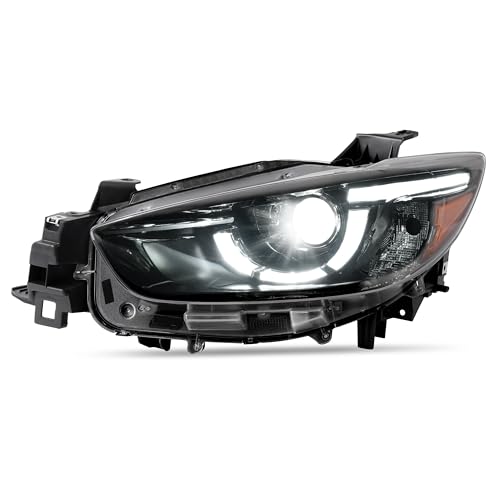
HECASA Left LED Headlight Compatible with 2013-2016 Mazda CX-5 With AFS Adaptive Front Lighting System Headlamp W/AFS DRL Day Running Light Clear Lens Black Housing Replacement for KA0G51040C
- Compatibility: Fits 2013-2016 Mazda CX-5 with AFS
- Design: Clear lens, black housing, driver side
- Durability: Made of premium, weather-resistant plastic
As an affiliate, we earn on qualifying purchases.
As an affiliate, we earn on qualifying purchases.
Conclusion
So, next time you think brighter lights mean safer roads, remember, it’s not just about shining brighter—it’s about shining smarter. Overly intense beams can blind oncoming drivers, turning clear nights into chaos. Instead of just blasting through the darkness, aim for a balanced beam pattern that guides your way without dazzling others. Ironically, the best visibility isn’t always the brightest—it’s the one that respects everyone’s sight and keeps the road safer for all.
As an affiliate, we earn on qualifying purchases.

Termitor Latest H11+9005 Light Bulb, 150,000LM 15X Brighter Light Bulb
- Brightness: 1500% brighter with 100,000 lumens
- Advanced Cooling: High-speed 22,000RPM fan and aluminum body
- Long Lifespan: Up to 70,000 hours of use
As an affiliate, we earn on qualifying purchases.
As an affiliate, we earn on qualifying purchases.