Recorded driving footage after minor accidents can be a game-changer. It provides clear evidence to protect your rights, speeds up insurance claims, and helps prevent disputes. Your footage can show fault, clarify scene details, and hold dishonest claims at bay. Plus, it acts as strong legal proof if you need to defend yourself in court. Want to discover how embracing technology can make a difference? Keep exploring to access more valuable insights.
Key Takeaways
- Recorded footage provides undeniable evidence to clarify fault and resolve disputes quickly.
- Dash cam videos can prevent false claims and manipulation by showing an unbiased incident account.
- Footage accelerates insurance claims by offering clear visual proof, reducing delays and legal costs.
- Video evidence supports legal proceedings, ensuring accurate documentation beyond witness or memory reliance.
- Technological tools like dash cams enhance incident review, making documentation more reliable and comprehensive.
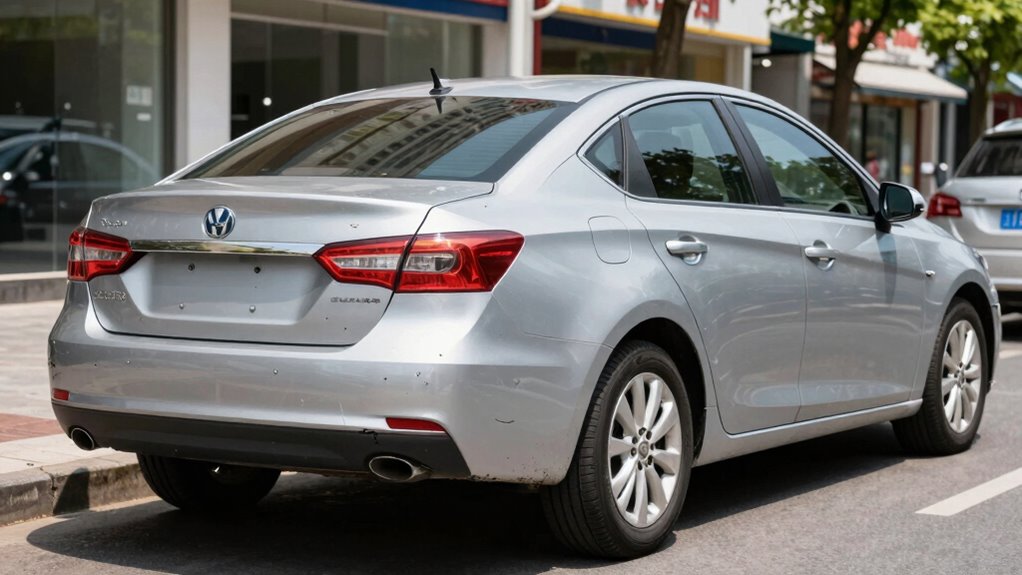
After minor accidents, recording driving footage can be a vital step in protecting yourself and clarifying what happened. When the dust settles and you’re faced with insurance claims or potential legal disputes, having clear, unambiguous footage can make all the difference. It serves as solid evidence that accurately depicts the incident, reducing the chances of misinterpretation or false claims. In situations where fault is disputed, this visual record can support your version of events, helping insurance companies process your claim swiftly and fairly. Without footage, you rely solely on memory or shaky witness accounts, which can be unreliable or biased.
You might think a minor bump doesn’t warrant recording, but the reality is that small accidents often lead to bigger complications. Insurance claims can become complicated if there’s no concrete proof of who was at fault or the extent of damages. Recorded footage provides a straightforward way to substantiate your account, especially if the other driver disputes your version or if the scene is chaotic. By capturing the moment, you create a record that insurance adjusters can review to determine liability accurately, often expediting the claims process and preventing unnecessary delays or disputes. Additionally, the presence of recorded footage can act as a deterrent against fraudulent claims or false accusations.
Recording minor accidents simplifies claims, clarifies fault, and speeds up resolution amidst chaos.
Beyond insurance benefits, recorded footage can be crucial as legal evidence. Even minor accidents can sometimes escalate into legal challenges, whether due to disagreements over fault or property damage. When you have video proof, you directly support your case in court or during negotiations. It’s a form of legal evidence that can withstand scrutiny and provide undeniable clarity about the incident. This can be especially helpful if the other party attempts to manipulate the story or if multiple parties are involved. Having your footage ready can save you time, legal fees, and emotional stress, giving you confidence that your version of events is well-documented. Utilizing video recordings can also help you review the incident details more precisely than memory alone. Moreover, understanding how technology like dash cams operates can further enhance your ability to document incidents effectively.
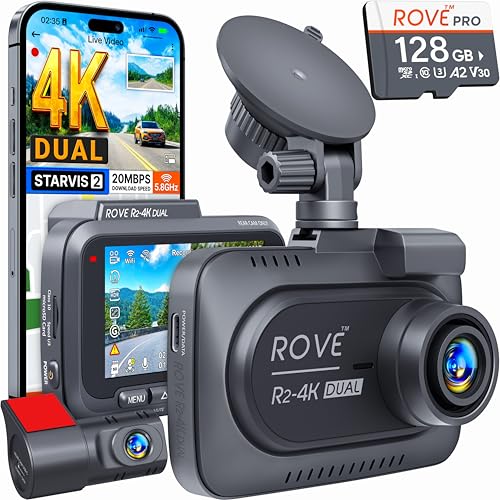
ROVE R2-4K DUAL Dash Cam Front and Rear, STARVIS 2 Sensor, FREE 128GB Card Included, 5G WiFi – up to 20MB/s Fastest Download Speed with App, 4K 2160P/FHD Dash Camera for Cars, 3" IPS, 24H Parking Mode
4K FRONT + 1080P REAR RECORDING – ROVE R2-4K DUAL dash cam offers dual-channel recording capabilities, capturing footage…
As an affiliate, we earn on qualifying purchases.
As an affiliate, we earn on qualifying purchases.
Frequently Asked Questions
Can Recorded Footage Be Used in Court for Minor Accident Claims?
Yes, recorded footage can be used in court for minor accident claims, especially for insurance claims. Your video evidence can help clarify who was at fault and support your case. However, be aware of privacy concerns, as law enforcement and courts may scrutinize how the footage was obtained. Make sure your recordings follow legal guidelines to avoid privacy violations, ensuring your evidence is admissible in court.
How Long Is Recorded Driving Footage Typically Retained?
Think of your recorded footage as a river flowing through data storage banks. Usually, it’s kept for 30 to 90 days, but some providers extend this based on their policies. During this time, footage is like a fortress, guarding against tampering with tight security. Once the retention period lapses, it’s like the water receding—making room for new recordings and ensuring your footage remains secure and relevant.
Are There Privacy Concerns With Recording Driving Footage?
Yes, there are privacy concerns with recording driving footage. You might worry about privacy implications for yourself and others, especially if footage captures personal or sensitive moments. Ensuring data security is vital, as stored recordings could be vulnerable to hacking or misuse. It’s important to understand local laws and use secure systems to protect the footage, respecting everyone’s privacy while benefiting from the safety features recordings provide.
What Legal Restrictions Exist on Using Dashcam Footage?
You need to understand dashcam ethics, data encryption, and legal restrictions when using footage. You can generally use dashcam footage for insurance claims or legal evidence, but you’re restricted by privacy laws, recording consent, and local regulations. Always guarantee your footage is securely encrypted to protect privacy and avoid misuse. Familiarize yourself with regional laws to stay compliant, and remember that responsible use respects others’ rights and avoids legal issues.
How Can I Access or Retrieve My Recorded Driving Footage?
You can access your recorded driving footage by connecting your dashcam to your computer or smartphone via USB or Wi-Fi, depending on the model. Check your dashcam’s user manual to understand video quality settings and any dashcam warranties that might cover footage retrieval issues. Make sure your device has enough storage space, and regularly back up important clips. This way, you can easily retrieve and preserve essential recordings after minor accidents.

Dash Cam Front and Rear, 4K+2K Recording Dash Camera for Cars, Night Vision with WDR, 170° Wide Angle, 5.8G/2.4G Dual Wi-Fi, 64GB Card, Built-in GPS, G-Sensor Emergency Lock, 24H Parking Monitor
HIGH-DEFINITION 4K+2K DUAL RECORDING: Adopting an F1.8 ultra-large aperture and advanced optics, the dash cam captures ultra-crisp footage…
As an affiliate, we earn on qualifying purchases.
As an affiliate, we earn on qualifying purchases.
Conclusion
Think of recorded driving footage like a lighthouse in a storm—guiding you through chaos and uncertainty after a minor accident. It sheds light on what really happened, protecting you from false claims and helping you navigate the legal waters smoothly. Don’t let the fog of confusion settle in; keep your footage safe and ready. This unseen lighthouse can be your clearest guide, illuminating the truth when you need it most.

REDTIGER 4K Dash Cam Front Rear, STARVIS 2 Sensor, Free Card Included, 5.8GHz WiFi-20MB/s Fast Download, Dash Camera for Cars with GPS, WDR Night Vision, 170°Wide Angle, 24H Parking Mode(F7NP)
[4K+1080P Front & Rear Recording] REDTIGER F7NP dash cam captures every detail with stunning 4K front and 1080P…
As an affiliate, we earn on qualifying purchases.
As an affiliate, we earn on qualifying purchases.
ROVE R2-4K DUAL Dash Cam Front and Rear, STARVIS 2 Sensor, FREE 128GB Card Included, 5G WiFi – up to 20MB/s Fastest Download Speed with App, 4K 2160P/FHD Dash Camera for Cars, 3" IPS, 24H Parking Mode
4K FRONT + 1080P REAR RECORDING – ROVE R2-4K DUAL dash cam offers dual-channel recording capabilities, capturing footage…
As an affiliate, we earn on qualifying purchases.
As an affiliate, we earn on qualifying purchases.