
Rain-sensing wipers detect moisture on your windshield via sensors that automatically activate the wipers at just the right moment, boosting safety and convenience. Auto headlights turn on or off based on ambient light, ensuring better visibility and reducing accidents in low-light conditions. Upgrading your car with these systems involves choosing compatible models and proper calibration. Explore the latest advancements, from adaptive features to future smart integrations, to see how these tech upgrades can transform your driving experience.
Key Takeaways
- Advanced sensors enable precise, automatic activation of rain-sensing wipers and auto headlights for enhanced safety and convenience.
- Future upgrades include adaptive systems that learn driver habits and environmental conditions for seamless operation.
- Integration with GPS and weather forecasts allows preemptive activation and better maintenance alerts.
- Voice commands and smartphone apps are emerging controls for easy customization of weather-related features.
- Continuous calibration improvements ensure reliable performance in diverse and challenging weather conditions.

Rain-X 820147 WeatherBeater, 26" and 16" Windshield Wiper Blades – All-Season OEM Quality, Conventional, Vehicle Specific Fit, Pack of 2
- Trusted Quality for Over 15 Years: Durable conventional wiper blades
- Easy Installation: Pre-installed multi-adapter included
- All Natural Rubber Blade: Resists cracking and tearing
As an affiliate, we earn on qualifying purchases.
As an affiliate, we earn on qualifying purchases.
How Rain-Sensing Wipers Work and Their Benefits
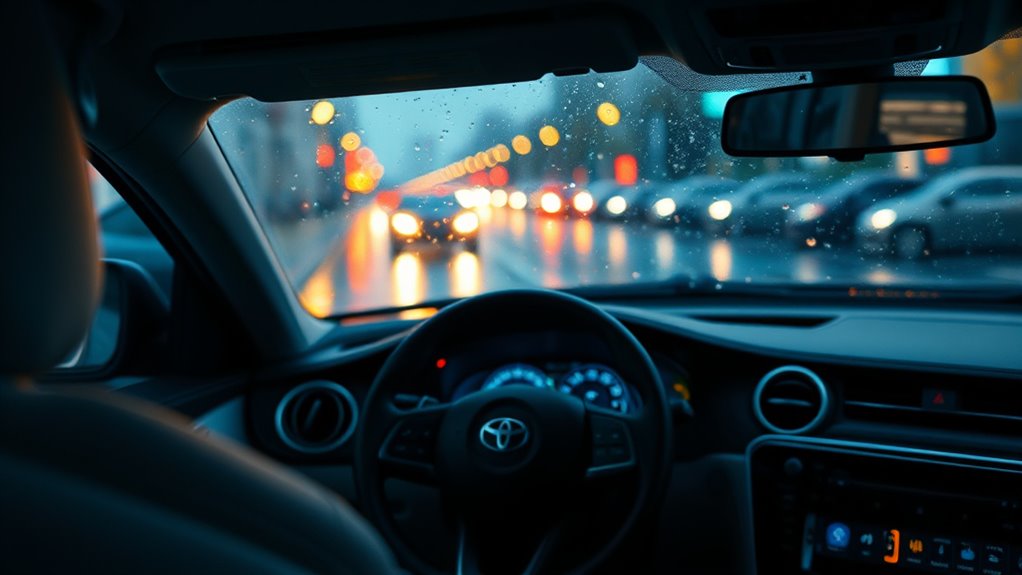
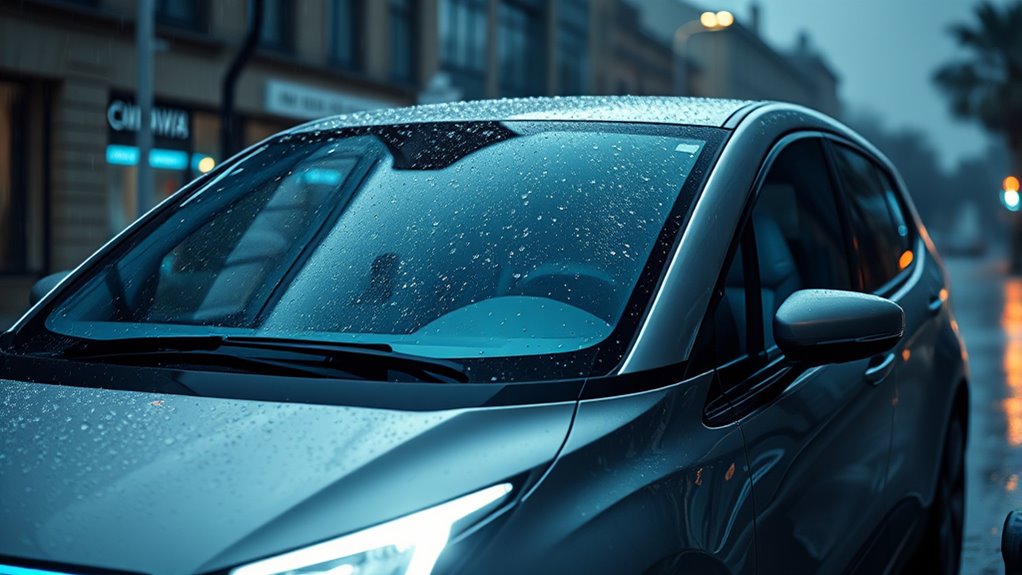
Rain-sensing wipers automatically activate when they detect moisture on your windshield, eliminating the need for manual adjustment. This relies on advanced windshield technology, which uses sensors to monitor rainfall levels in real time. Proper sensor calibration is essential; if not calibrated correctly, the wipers may activate too early or too late. The sensors typically work by sending infrared light or using optical detection to gauge the amount of moisture on the glass. When rain begins, the sensor interprets the data and signals the wipers to turn on at an appropriate speed. This system improves driving safety and convenience, ensuring you don’t have to keep adjusting your wipers manually during changing weather conditions. Proper maintenance and calibration keep these sensors functioning accurately for maximum performance. Additionally, understanding the underlying sensor technology can help you troubleshoot issues and optimize your vehicle’s performance. Recognizing sensor calibration issues early can prevent unnecessary wear on the wiper blades and improve overall safety. Regularly inspecting these sensors can also help maintain their accuracy, and incorporating professional maintenance can ensure lasting reliability for your rain-sensing wipers.
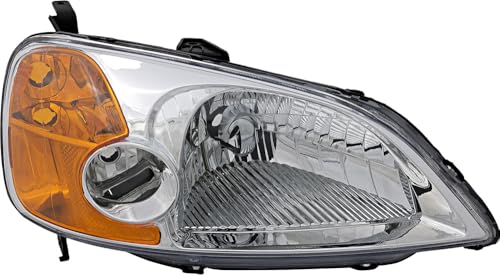
JP Auto Headlight Compatible With Honda Civic Civic Hybrid 2001 2002 2003 Passenger Right Side Headlamp
- Compatibility with Honda Civic 2001-2003: Fits all Honda Civic and Civic Hybrid models from 2001-2003
- Bulb and socket not included: Requires separate bulb and socket purchase
- OEM replacement, no modifications needed: Direct replacement for original headlight
As an affiliate, we earn on qualifying purchases.
As an affiliate, we earn on qualifying purchases.
The Functionality of Auto Headlights and Safety Advantages

Auto headlights automatically turn on or off based on ambient lighting conditions, ensuring you always have proper visibility without needing to manually switch them on or off. This feature enhances safety by improving road visibility during dawn, dusk, or tunnels. It also reduces the risk of accidents caused by poor visibility, especially in low-light situations. Proper windshield maintenance keeps sensors clean, ensuring auto headlights operate effectively. Here’s how auto headlights benefit you:
| Benefit | How It Works | Safety Advantage |
|---|---|---|
| Consistent Road Visibility | Sensors detect ambient light levels | Reduces accidents in low-light |
| Convenience | No need to remember to turn lights on/off | Less distraction while driving |
| Enhanced Safety | Automatic activation during poor conditions | Safer driving experience |

ANCEL AD410 Enhanced OBD2 Scanner, Vehicle Code Reader for Check Engine Light, Automotive OBD II Scanner Fault Diagnosis, OBDII Scan Tool for All OBDII Cars 1996+, Black/Yellow
- Quickly Read and Clear Fault Codes: Helps diagnose check engine light issues
- Extensive DTC Lookup Database: Over 42,000 code definitions included
- Supports Full OBD2 Diagnostics: Reads/clears codes, live data, freeze frame
As an affiliate, we earn on qualifying purchases.
As an affiliate, we earn on qualifying purchases.
Installing Rain-Sensing and Auto Headlight Systems in Your Vehicle
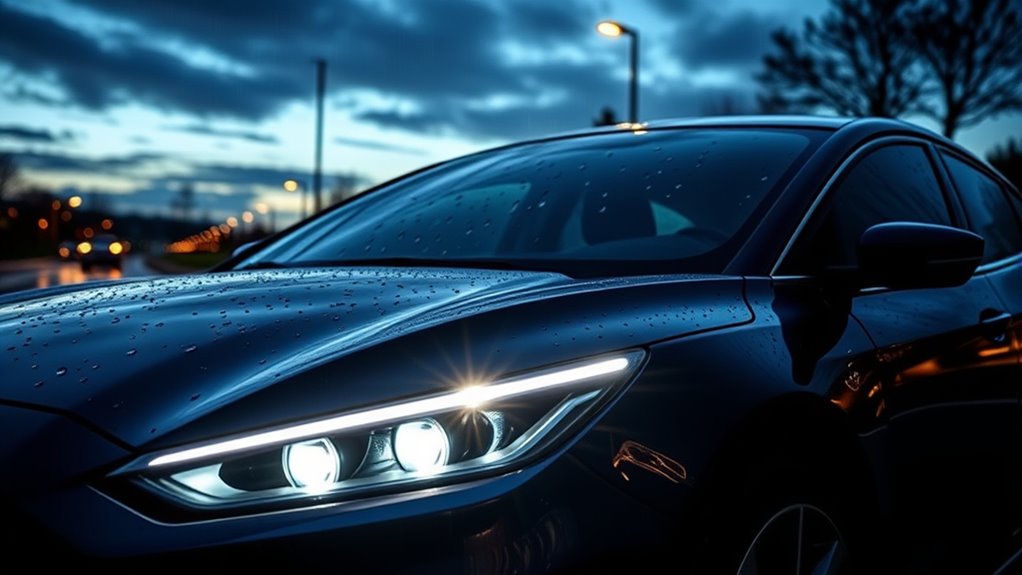
Installing rain-sensing and auto headlight systems in your vehicle is a straightforward process that can substantially enhance your driving safety and convenience. Begin by selecting compatible systems designed for your car’s make and model. Most installations involve connecting sensors to the windshield, often requiring you to apply windshield coatings that improve sensor accuracy and durability. Once installed, calibrate the sensors to detect rain and ambient light levels effectively. While you’re upgrading, consider adding tire pressure monitors to maintain ideal safety. These systems work together to keep your vehicle well-maintained and responsive. Proper installation may involve some basic wiring, but many kits come with detailed instructions. Additionally, understanding the sensor calibration process can ensure optimal performance from your new systems. It’s also beneficial to familiarize yourself with wiring basics to troubleshoot any issues that may arise. Incorporating smart vehicle upgrades can further improve your driving experience. With these upgrades, you’ll experience smoother driving, less manual adjustment, and increased confidence on the road.

Auto Dynasty Non Adaptive Lighting System LED Projector Headlight Lamp Compatible with Mazda 3 2019-2021, Passenger Right Side, Black Housing Amber Corner
- Vehicle Compatibility: Fits Mazda 3 2019-2021 without adaptive lighting
- Replacement Headlight: Passenger right side, factory style design
- Enhanced Lighting: Provides clearer illumination while driving
As an affiliate, we earn on qualifying purchases.
As an affiliate, we earn on qualifying purchases.
Comparing Different Models and Features of Automated Lighting and Wipers

With a range of models available, understanding the features and capabilities of different automated lighting and wiper systems can help you choose the best fit for your vehicle. Some systems offer advanced sensor calibration, ensuring accurate response to changing light or rain conditions, while others rely on basic sensors that may need frequent recalibration. Consider power consumption too—more sophisticated models might use more energy, impacting your vehicle’s efficiency. Higher-end systems often include adaptive features, such as adjusting sensitivity based on weather intensity or vehicle speed. Lower-cost options may lack these customizable settings but still provide reliable automation. Comparing these models means weighing their calibration precision against energy use, so you get a system that’s both effective and efficient for your driving needs.
Future Trends in Automotive Weather and Light Adaptation Technology
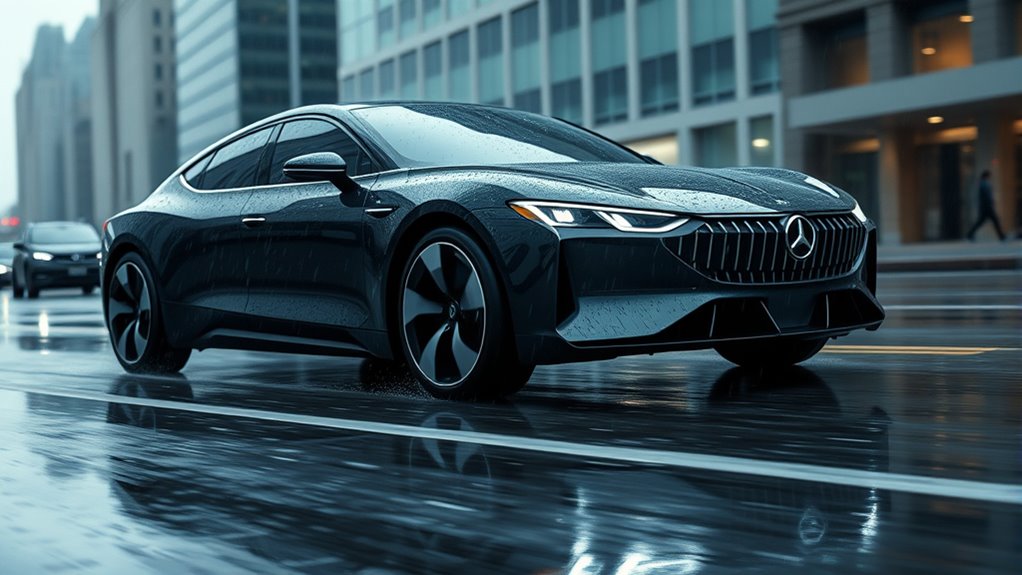
As technology advances, automotive weather and light adaptation systems are poised to become more intelligent and seamless. You’ll soon experience driver customization that tailors responses to your preferences, making driving safer and more comfortable. Sensor calibration will continuously improve, ensuring accurate detection of rain, fog, or darkness, even in challenging conditions. Future trends include adaptive systems that learn your habits, adjusting sensitivity levels automatically. You might control your wipers and headlights through intuitive voice commands or smartphone apps, enhancing convenience. Enhanced integration with GPS and weather forecasts will preemptively activate features, minimizing distractions. The goal is to create a driving environment where your vehicle intuitively responds to unpredictable weather, keeping you safe and confident every mile. Prepare for a smarter, more personalized driving experience. Additionally, juice extraction techniques are being incorporated into vehicle systems to monitor and optimize fluid levels for maintenance purposes, reflecting the influence of innovative technologies and automotive advancements on everyday driving.
Frequently Asked Questions
Do Rain-Sensing Wipers Work Effectively in Light Drizzle?
Yes, rain-sensing wipers usually work well in light drizzle, but their effectiveness depends on sensor calibration and weather variability. If the sensors are properly calibrated, they’ll detect even light rain accurately, adjusting wiper speed accordingly. However, weather variability like mist or light rain that evaporates quickly might challenge the sensors. Regular calibration and cleaning help guarantee your rain-sensing wipers perform reliably in all conditions.
Can Auto Headlights Be Disabled Manually if Needed?
Yes, you can manually override auto headlights if needed. Most vehicles have a system disable option or a manual override, usually via a switch or setting on your dashboard or stalk. This allows you to turn off auto headlights temporarily or permanently, giving you control in situations where the system might not be ideal. Just check your vehicle’s manual for specific instructions on how to disable the auto headlight system.
Are These Systems Compatible With All Vehicle Makes and Models?
Most rain-sensing wipers and auto headlights systems are not universally compatible with all vehicle makes and models. You’ll need to check manufacturer compatibility before an aftermarket installation. While some systems are designed to work with a wide range of vehicles, others may require special adapters or wiring. Always verify compatibility with your car’s specifications, and consider professional installation to guarantee proper functionality and avoid potential damage.
What Maintenance Is Required for Rain Sensors and Auto Headlight Systems?
You might think these systems need little care, but neglect can surprise you. Regularly, you should check sensor calibration to verify accuracy and clean the sensors gently to prevent dirt buildup. If your auto headlights or rain sensors malfunction, troubleshooting is key—look for wiring issues or sensor misalignment. Keeping up with these simple maintenance steps keeps your futuristic upgrades performing flawlessly, avoiding unexpected surprises on the road.
How Do These Features Impact Overall Vehicle Insurance Premiums?
Installing rain-sensing wipers and auto headlights can lead to insurance discounts, as they help prevent accidents by improving visibility. These features demonstrate responsible driving and accident prevention, which insurers often reward with lower premiums. By investing in these upgrades, you not only enhance safety but also potentially save money on insurance, making your driving experience more secure and cost-effective.
Conclusion
Embracing rain-sensing wipers and auto headlights gently guides your driving experience into a smarter, safer domain. These upgrades seamlessly adapt to changing conditions, making every journey smoother and more comfortable. As technology continues to evolve, you can look forward to even more intuitive features that quietly enhance your drive. By choosing these innovations, you’re fundamentally inviting a touch of the future into your everyday adventures, making every trip a little more effortless and a lot more enjoyable.